25-Sun-Oct-2026


|

 WELLNESS /
Why Young Backs Hurt: The Hidden Impact of Poor Posture, Sitting Too Much & Tech Overload.
 Author :
Dr. Sheikh Jeelani
/
BNYS | FTECH
Back pain used to be thought of as a problem that only older people faced. However, more and more young Indians in their 20s, 30s, and even teens are now dealing with persistent back pain. From tech professionals and college students to homemakers and delivery executives, the spine is under stress like never before.
Causes:
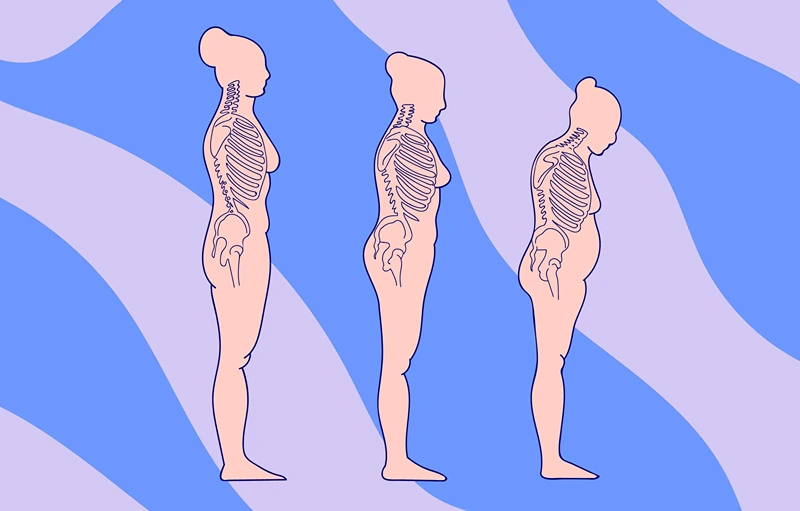
Poor posture has become a new normal and lifestyle norm, whether it's slouching over your laptops, sitting hunched in cars for long hours, or lying in awkward angles while binge-watching. Such prolonged and constant forward-leaning strains the cervical and lumbar spine.
Poor alignment puts uneven pressure on discs and muscles.
"Text neck": the habit of bending the neck to look at phones is now being seen in teenagers.
Tip: Sit straight with your shoulders relaxed, back supported, and screen at eye level. Avoid long hours of sitting without movement.
2. Sedentary Lifestyle
The Desk Is the New Danger Zone
Your desk is your new danger zone. Physical movement among youth has now drastically reduced as they spend more than 10 hours a day sitting at office desks, dining tables, and sofas.
3. Sitting for an extended period
Tip: Take micro-breaks every 30 minutes and walk around, stretch, or do basic spine-friendly movements.
4. The Rise of Screen Time & "Tech Spine"
India is home to over a million smartphone users, with the majority being under 35. Constant device use causes:
Tip: Follow the 20-20-20 rule, i.e., every 20 minutes, look 20 feet away for 20 seconds, use supportive furniture, and limit screen exposure.
5. Lack of Awareness & Delay in Seeking Expert Help
Many youngsters tend to ignore early signs of back pain or discomfort and rely on painkillers, massages, or online remedies until the condition worsens. Persistent back pain for more than 3 weeks or that interferes with daily routine should not be ignored. It could be a sign of:
6. Muscle imbalance
Tip: Consult a spine specialist for proper diagnosis and treatment, as early intervention helps avoid long-term complications.
7. Fitness Myths & Overtraining
While a sedentary life is harmful, overtraining or incorrect workouts are equally risky. Sudden or irregular gym routines, improper weight lifting, or poor form in yoga/asanas can cause:
Tip: Warm up before exercise, use correct postures and techniques, and avoid copying online videos without professional guidance. Work on strengthening your core and back muscles under supervision.
When Should You Worry?
Consult a doctor if you experience:
The spine is your body's central pillar, and like any structure, it needs care. Don't wait till chronic back pain disrupts your work, sleep, or peace of mind. Prevention is not only possible, it's essential.
|
|











|