07-Mon-Sep-2026


|
 Author :
Dr. Sheikh Jeelani
/
BNYS | FTECH
Author :
Dr. Sheikh Jeelani
/
BNYS | FTECH
Understanding the Digestive System: Your Body’s Food Processing Unit
The digestive system is one of the most important systems in the human body. It is responsible for breaking down the food we eat into nutrients that provide energy, growth, and repair. Without a healthy digestive system, our body would not be able to absorb essential vitamins, minerals, and proteins needed to function properly.
What is the Digestive System?
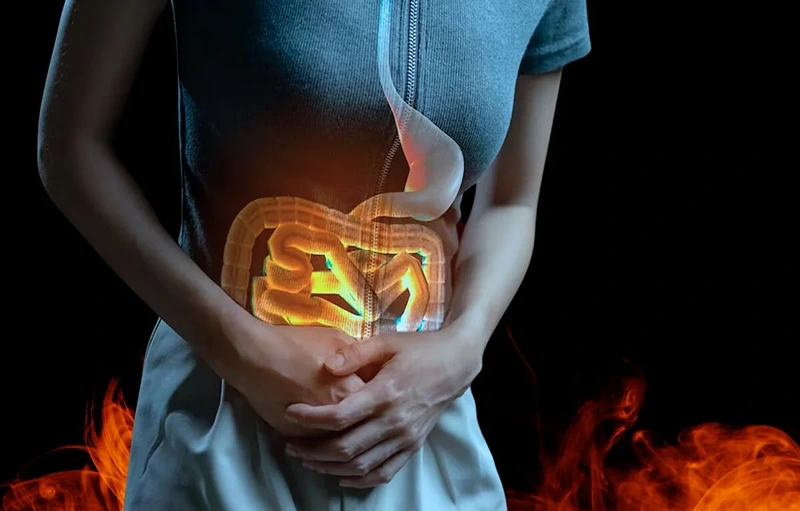
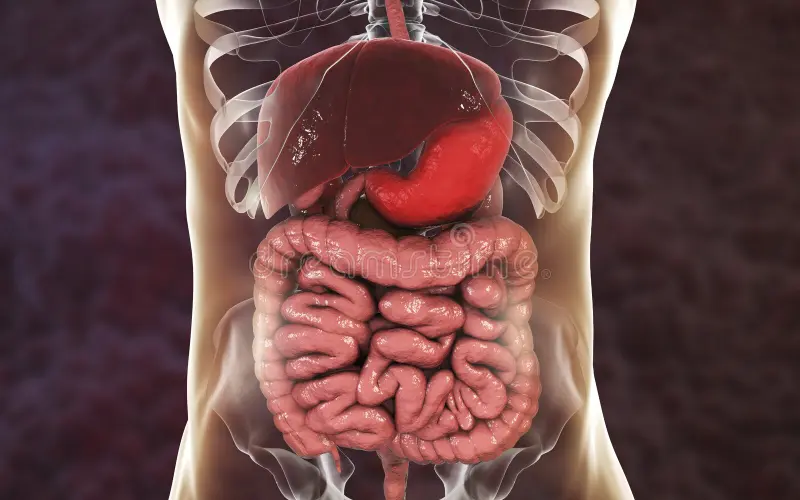
The digestive system is a group of organs working together to convert food into energy and nutrients. It includes the mouth, esophagus, stomach, small intestine, large intestine, liver, pancreas, and gallbladder. Each organ has a special role in the digestion process.
Major Parts of the Digestive System
1. Mouth
Digestion begins in the mouth. Chewing breaks food into smaller pieces, and saliva mixes with it to make swallowing easier. Enzymes in saliva start breaking down carbohydrates.
2. Esophagus
The food then travels through the esophagus, a muscular tube that pushes food down into the stomach using wave-like movements called peristalsis.
3. Stomach
In the stomach, food is mixed with gastric juices (acid and enzymes). Proteins begin to break down here, and food turns into a semi-liquid form called chyme.
4. Small Intestine
This is where most digestion and nutrient absorption take place. The pancreas releases enzymes, and the liver produces bile to help digest fats. Nutrients like vitamins, proteins, and carbohydrates are absorbed into the bloodstream here.
5. Large Intestine (Colon)
The large intestine absorbs water and minerals from the leftover food. It also forms stool, which is later excreted.
6. Liver, Gallbladder, and Pancreas
The liver produces bile to help digest fats.
The gallbladder stores and releases bile when needed.
The pancreas produces enzymes that break down carbohydrates, fats, and proteins.
Why is the Digestive System Important?
Provides energy for daily activities.
Helps the body absorb nutrients essential for growth and repair.
Maintains a healthy balance of fluids and electrolytes.
Plays a key role in immunity since many immune cells live in the gut.
Common Digestive Problems
Some common issues people face include:
Acid reflux and heartburn
Constipation
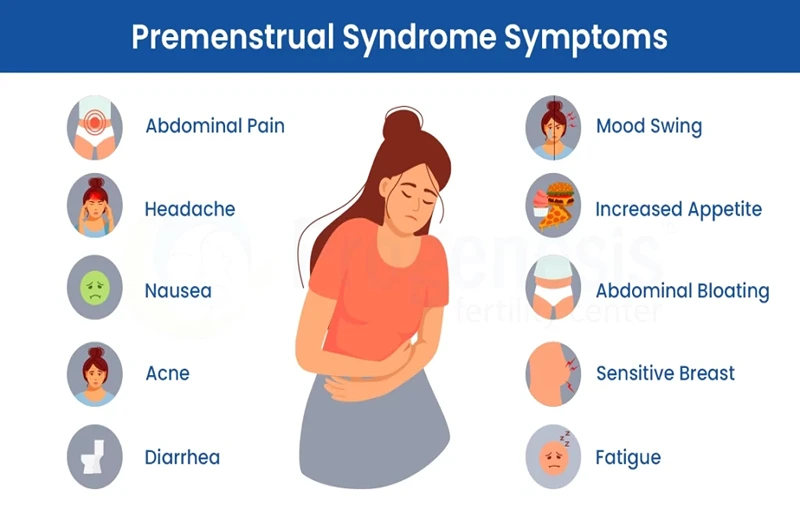
Diarrhea
Irritable Bowel Syndrome (IBS)
Ulcers
Lactose intolerance
Maintaining a healthy lifestyle, eating a balanced diet, and staying hydrated can prevent many digestive disorders.
Tips for a Healthy Digestive System
Eat a fiber-rich diet with fruits, vegetables, and whole grains.
Drink plenty of water to aid digestion.
Avoid excessive junk food and fried meals.
Exercise regularly to keep digestion active.
Get enough sleep and reduce stress, as the gut is closely linked to mental health.
Final Thoughts
The digestive system is like a factory inside our body, working 24/7 to keep us energized and healthy. Taking care of it through good nutrition, exercise, and hydration can prevent long-term health issues. A healthy gut is not just about digestion—it’s also the key to a stronger immune system and overall well-being.
|
|










|