

Echo

Weekly Updates

Let's join our newsletter!

Do not worry we don't spam!

Dr Thangs

The Silent Killer: What You Need to Know About Heart Disease

  Author : Dr. Sheikh Jeelani   / BNYS | FTECH

Cardiovascular disease (CVD) is one of the leading causes of death worldwide, affecting millions of people every year. It refers to a group of disorders involving the heart and blood vessels, including coronary artery disease, heart attack, stroke, hypertension, heart failure, and congenital heart defects. Despite its seriousness, many forms of cardiovascular disease are preventable through lifestyle changes, early diagnosis, and proper treatment.

What is Cardiovascular Disease?

Cardiovascular disease encompasses any condition that disrupts the normal functioning of the heart and circulatory system. The heart pumps blood throughout the body, supplying oxygen and nutrients to organs and tissues. When blood flow is blocked, narrowed, or irregular, it can result in severe complications.

Common Types of Cardiovascular Disease

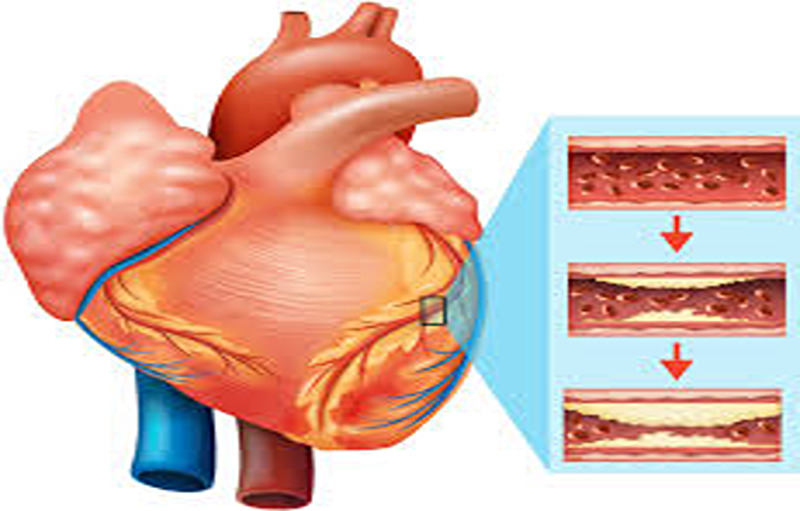
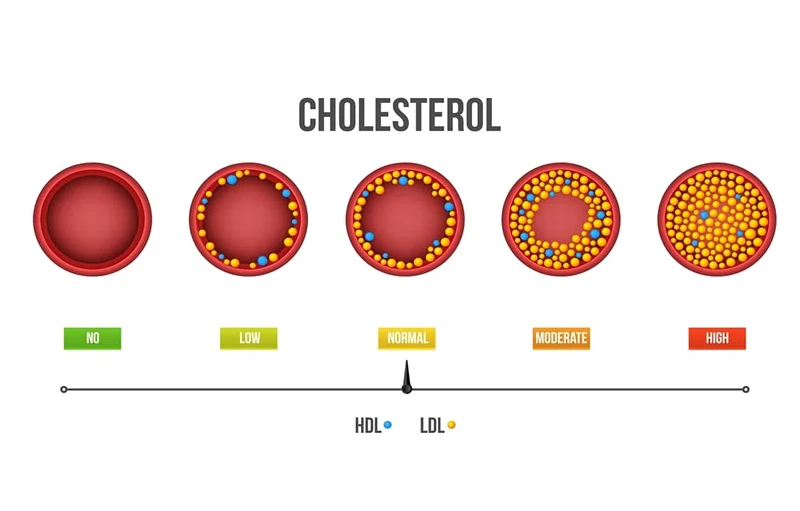
  • Coronary Artery Disease (CAD): Narrowing of arteries due to plaque buildup (atherosclerosis), which can lead to chest pain (angina) or heart attacks.
  • Hypertension (High Blood Pressure): Persistent elevation of blood pressure that strains the heart and vessels.
  • Stroke: Occurs when blood supply to the brain is interrupted.
  • Heart Failure: When the heart cannot pump blood effectively to meet the body’s needs.
  • Arrhythmias: Abnormal heart rhythms, such as atrial fibrillation.

Causes and Risk Factors

  • Unhealthy diet (high in trans fats, salt, and sugar)
  • Lack of physical activity
  • Smoking and alcohol consumption
  • Obesity and diabetes
  • Chronic stress
  • Family history and genetics
  • Age (risk increases as we grow older)

Signs and Symptoms to Watch Out For

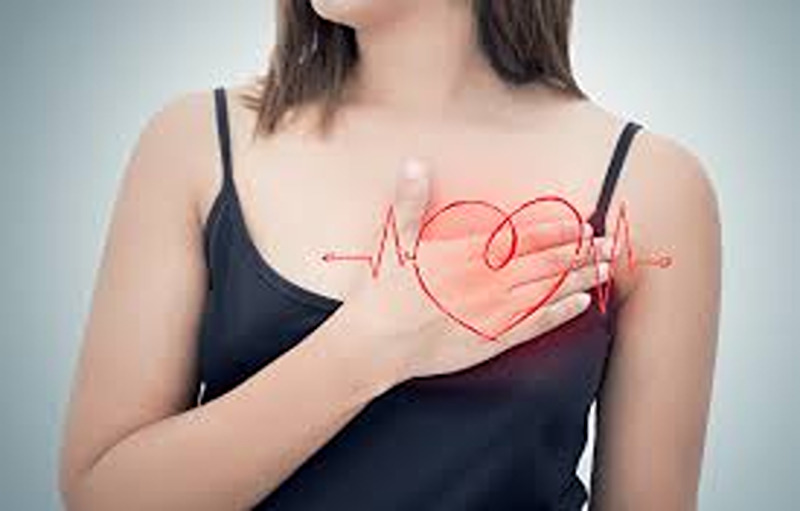
  • Chest pain or pressure
  • Shortness of breath
  • Dizziness or fainting
  • Swelling in legs, ankles, or feet
  • Irregular or rapid heartbeat
  • Sudden weakness or numbness (possible stroke symptoms)

Prevention and Lifestyle Changes

  • Adopt a heart-healthy diet: Include fruits, vegetables, whole grains, lean proteins, and healthy fats.
  • Exercise regularly: Aim for at least 30 minutes of moderate activity most days.
  • Quit smoking and limit alcohol: Both are major contributors to heart disease.
  • Manage stress: Practice relaxation techniques such as yoga, meditation, or deep breathing.
  • Monitor blood pressure, cholesterol, and blood sugar: Regular checkups can help catch problems early.
  • Maintain a healthy weight: Reduces strain on the heart and arteries.

Treatment Options

  • Medications (to lower blood pressure, cholesterol, or prevent clotting)
  • Lifestyle changes (diet, exercise, quitting smoking)
  • Medical procedures (angioplasty, bypass surgery, or pacemaker implantation)
  • Ongoing monitoring

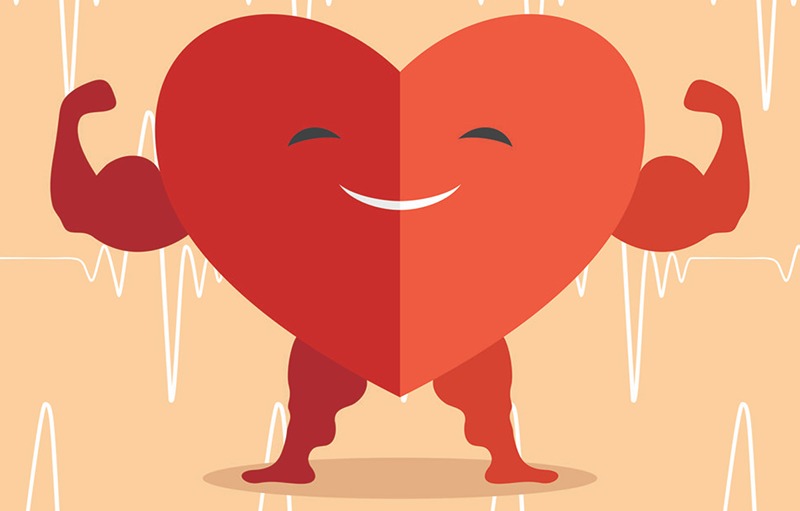
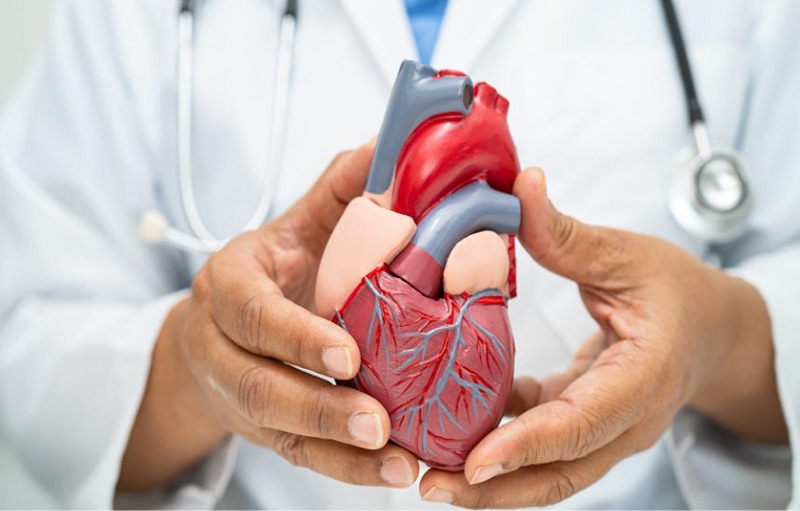
Cardiovascular disease remains a global health challenge, but it doesn’t have to be a life sentence. With preventive care, early detection, and healthier lifestyle choices, we can significantly reduce the risk of developing heart problems. Your heart is the engine of your body—take care of it, and it will take care of you.

Every heartbeat matters—take care of yours.

Tags:


You Might Also Like