07-Mon-Sep-2026


|
 Author :
Dr. Sheikh Jeelani
/
BNYS | FTECH
Author :
Dr. Sheikh Jeelani
/
BNYS | FTECH
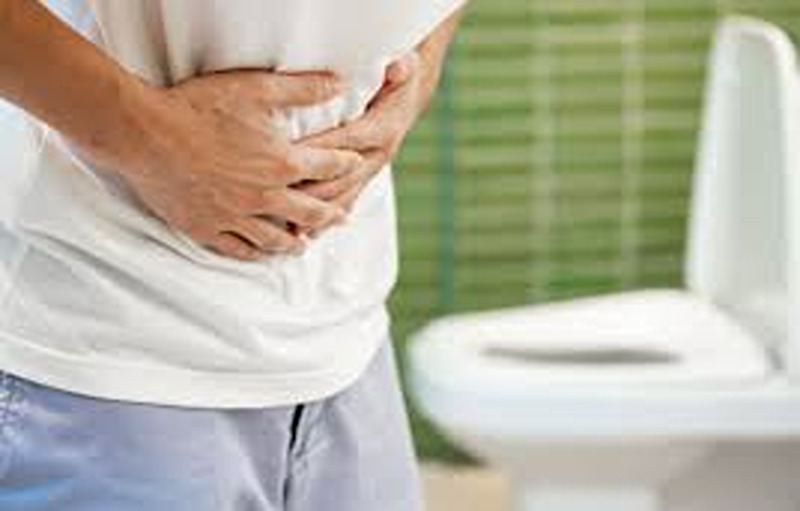
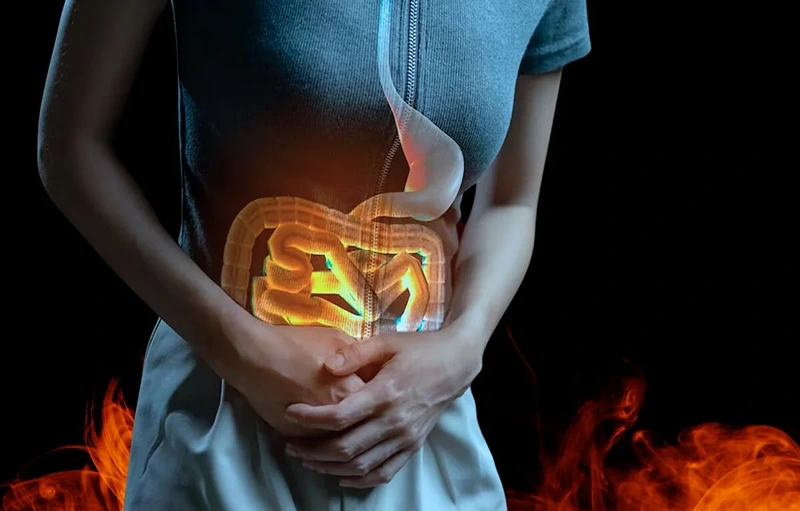
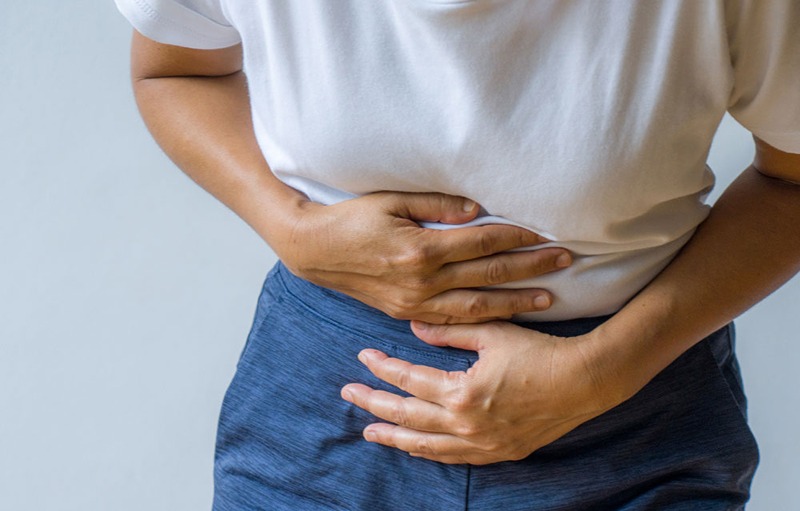
Abdominal pain can be frustrating and, at times, alarming. Whether it's a dull ache, a sharp sting, or crampy discomfort, your stomach could be trying to tell you that there is something wrong.
Types of Abdominal Pain
Common Causes of Abdominal Pain
Your stomach often protests when digestion isn’t smooth. Problems like indigestion, gas, food poisoning or bloating are common culprits. Eating too quickly, overeating, or consuming spicy foods can make things worse.
Symptoms: Burping, bloating, or a feeling of fullness.
Quick Tip: Chewing your food thoroughly and eating smaller meals can ease digestion and reduce discomfort.
When stool builds up in your intestines, it can cause discomfort or cramping in your lower abdomen.
Symptoms: Difficulty passing stools, bloating, or a feeling of heaviness.
Quick Tip: Increase your fibre intake and drink plenty of water.
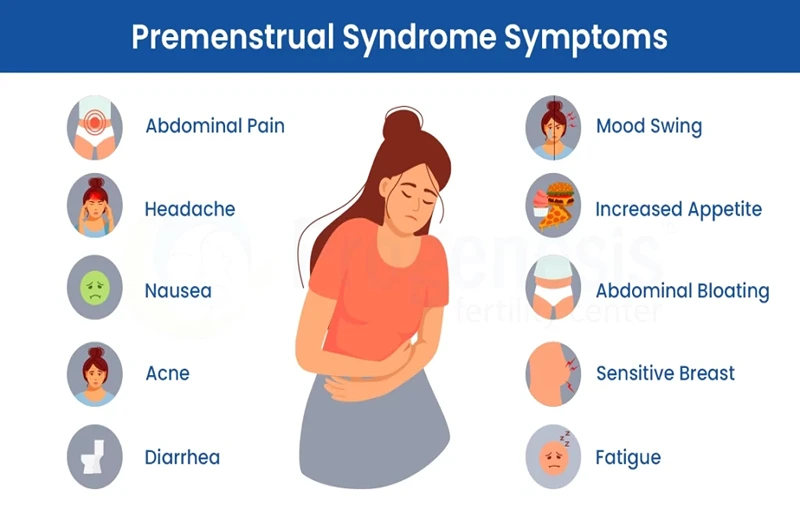
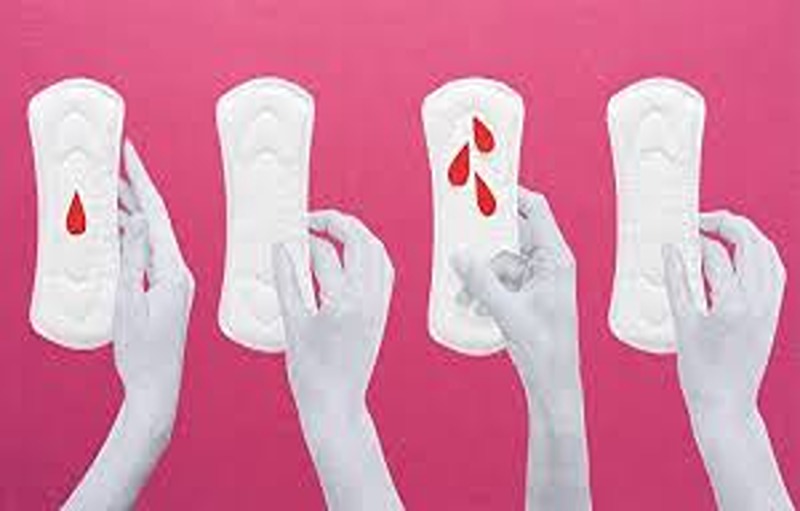
Many women experience abdominal cramps during their periods. This happens due to the uterus contracting to shed its lining.
Symptoms: Cramping in the lower abdomen, which might radiate to the back or thighs.
Quick Tip: Applying a hot water bottle or taking pain relievers can provide relief.
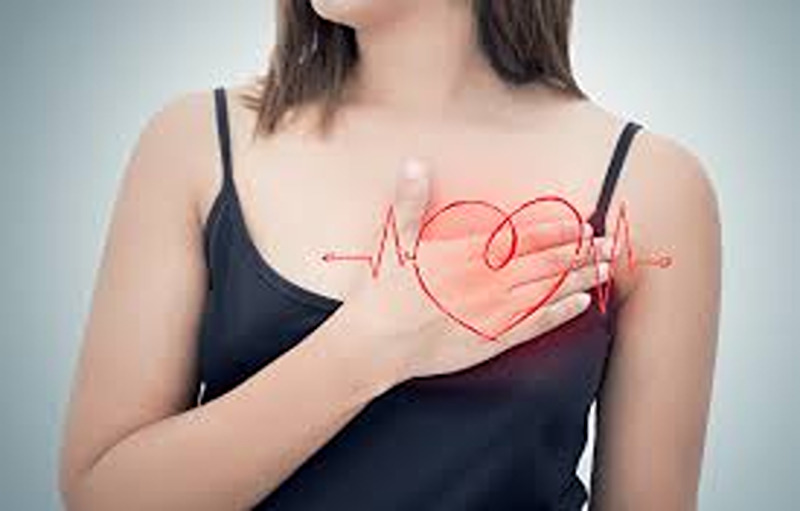
GERD occurs when stomach acid moves up into the oesophagus, causing a burning sensation in the chest or upper abdomen.
Symptoms: Heartburn, a sour taste in the mouth, or difficulty swallowing.
Quick Tip: Avoid lying down immediately after eating and reduce spicy or acidic foods.
Eating contaminated food can cause sudden abdominal pain along with other symptoms.
Symptoms: Diarrhea, nausea, vomiting, or fever.
Quick Tip:
Stay hydrated and avoid solid foods until the symptoms subside.
Get Medical help in case of persistent or severe symptoms
A sharp pain on the right side of your lower abdomen could be appendicitis, a condition requiring immediate medical attention.
Symptoms: Nausea, fever, and loss of appetite.
Quick Tip: Seek emergency medical care if you suspect appendicitis.
Gallstones are hardened deposits in the gallbladder that can block the flow of bile, causing severe pain.
Symptoms: Pain in the upper right abdomen, usually after eating fatty meals.
Quick Tip: If the pain persists, consult a doctor for a proper diagnosis.
When minerals crystallise in the kidneys, they can cause a lot of pain as they move through the urinary tract.
Symptoms: Sharp pain in the lower back or side, blood in the urine, and frequent urination.
Quick Tip: Drinking plenty of fluids can help pass smaller stones.
Preventing Abdominal Pain
|
|






|