25-Sun-Oct-2026


|
 Author :
Dr. Sheikh Jeelani
/
BNYS | FTECH
The Ultimate Guide to Gut Health: Why It Matters and How to Improve It?
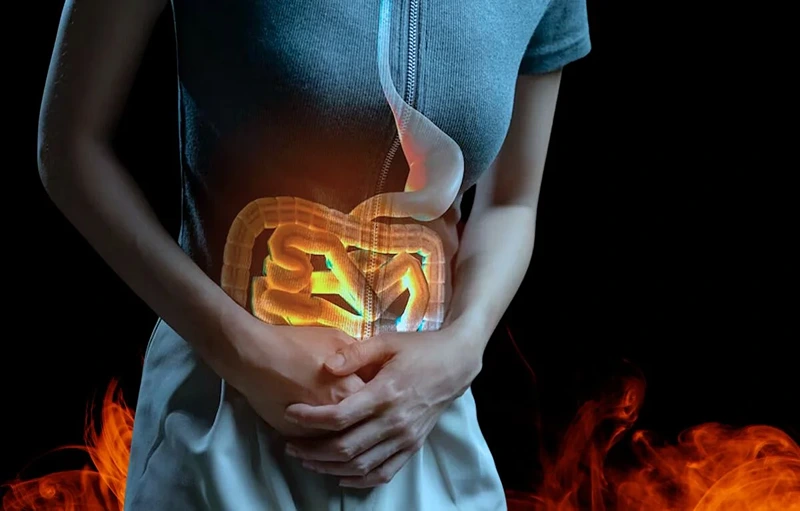
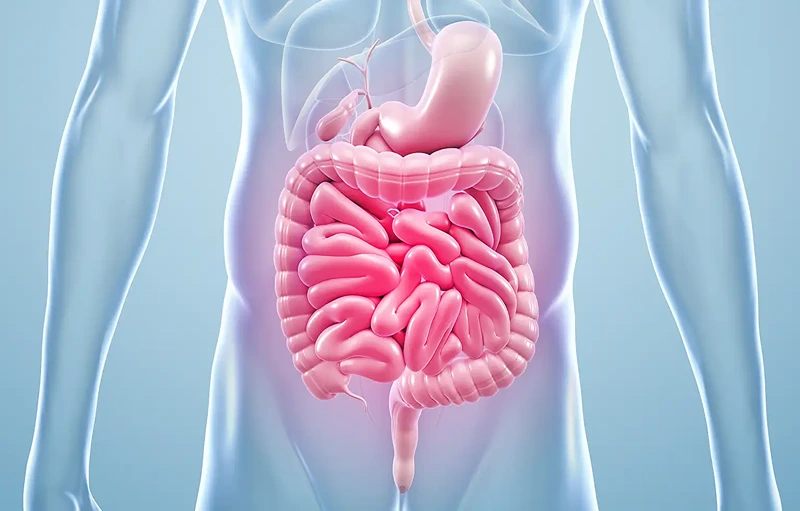
Your gut does more than just digest food — it’s often called the body’s “second brain.” A healthy gut impacts everything from your energy levels and immunity to your mood and mental well-being. In recent years, research has uncovered how important gut health is for overall wellness, making it a hot topic in nutrition and lifestyle science.
What Is Gut Health?
Gut health refers to the balance and function of microorganisms living in your digestive tract, known as the gut microbiome. This community of bacteria, fungi, and other microbes plays a critical role in breaking down food, absorbing nutrients, regulating hormones, and protecting the body from harmful pathogens.
When your gut is balanced, you feel energetic, digest food efficiently, and maintain strong immunity. But when it’s disrupted — a condition often called gut dysbiosis — problems like bloating, fatigue, constipation, diarrhea, inflammation, or even skin and mood disorders can arise.
Why Gut Health Matters?
Signs of an Unhealthy Gut:
If you notice these symptoms frequently, your gut may need extra care.
How to Improve Gut Health?
The good news is that your gut microbiome is adaptable — you can strengthen it with the right habits:
1. Eat Fiber-Rich Foods
Whole grains, fruits, vegetables, legumes, nuts, and seeds feed beneficial gut bacteria and improve digestion.
2. Add Probiotics and Fermented Foods
Foods like yogurt, kefir, kimchi, sauerkraut, and kombucha introduce healthy bacteria to your gut.
3. Focus on Prebiotics
Prebiotics are fibers that feed good bacteria. Bananas, garlic, onions, asparagus, and oats are excellent sources.
4. Stay Hydrated
Water helps maintain a smooth digestive process and supports nutrient absorption.
5. Limit Processed Foods & Sugar
Excess sugar and artificial ingredients disrupt the microbiome and promote harmful bacteria.
6. Manage Stress
Chronic stress directly affects gut bacteria. Practices like meditation, yoga, deep breathing, and quality sleep improve gut balance.
7. Exercise Regularly
Movement supports gut motility and encourages microbial diversity.
Your gut is central to your health — from digestion to immunity and even mood regulation. By nourishing it with the right foods, staying active, and reducing stress, you can build a strong foundation for lifelong wellness.
|
|










|