

Echo

Weekly Updates

Let's join our newsletter!

Do not worry we don't spam!

Dr Thangs

Constipation : Causes, Symptoms, and Natural Relief

  Author : Dr. Sheikh Jeelani   / BNYS | FTECH

What is Constipation?

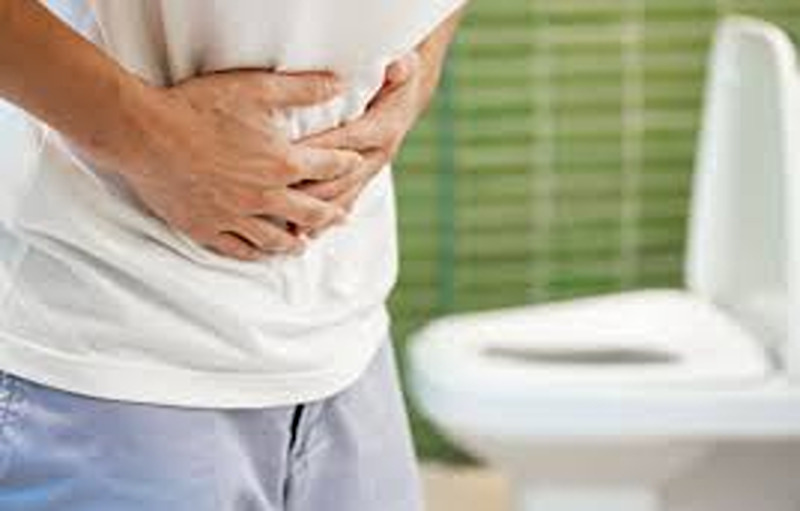
Constipation is a common digestive condition where a person has difficulty passing stools or has infrequent bowel movements (usually fewer than 3 times a week). The stools may be hard, dry, and lumpy, and the person may feel that the bowel movement is incomplete.

It is not a disease itself but rather a symptom of an underlying issue such as diet, lifestyle, medications, or medical conditions.

Normal Bowel Movements

Normally, bowel movements vary from 3 times per day to 3 times per week, depending on the person.

Stool is formed when waste products and water move through the intestines. If the colon absorbs too much water or the colon muscles are slow, the stool becomes hard and dry, leading to constipation.

Causes of Constipation

Constipation can result from many factors:

  1. Dietary Causes
  • Low fiber intake (not enough fruits, vegetables, or whole grains).
  • Insufficient water or fluid intake.
  • Excess consumption of processed foods, red meat, or dairy products. 
  • Lifestyle Causes
  • Lack of physical activity or prolonged sitting.
  • Ignoring the urge to have a bowel movement.
  • Stress or anxiety affecting gut function.

2. Medical Causes

  • Irritable bowel syndrome (IBS).
  • Hypothyroidism (low thyroid function).
  • Diabetes
  • Neurological conditions (Parkinson’s, multiple sclerosis).
  • Colon or rectal disorders (strictures, tumors, hemorrhoids).

3. Medication-Induced

  • Certain medications can slow bowel movements, such as:
  • Painkillers (opioids).
  • Antidepressants.
  • Iron supplements.
  • Antacids with calcium or aluminum.
  • Blood pressure drugs (calcium channel blockers).

Symptoms of Constipation

  • Fewer than 3 bowel movements per week.
  • Hard, dry, lumpy stools.
  • Straining during bowel movements.
  • Feeling of incomplete evacuation.
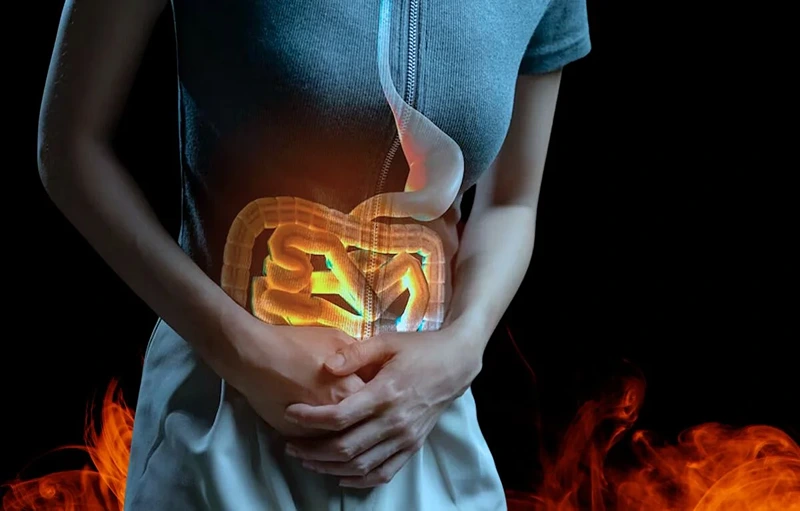
  • Abdominal pain, bloating, or heaviness.
  • Sometimes nausea or loss of appetite.

Types of Constipation

  • Acute Constipation

Sudden onset, often temporary (dietary changes, dehydration, stress).

  • Chronic Constipation

Long-term, recurring, often linked to lifestyle or medical conditions.

  • Functional Constipation

No structural or biochemical problem, just irregular bowel habits.

  • Secondary Constipation

Caused by another illness or medication.

Complications of Untreated Constipation

If ignored, constipation can lead to:

  • Hemorrhoids (due to straining).
  • Anal fissures (small tears in the anal lining).
  • Fecal impaction (hard stool stuck in rectum).
  • Rectal prolapse (part of rectum protrudes outside).

Diagnosis

Doctors may use:

  • Medical history and physical exam.
  • Digital rectal exam.
  • Blood tests (to check thyroid, diabetes, etc.).
  • Colonoscopy (if serious cause suspected).
  • Imaging tests (X-ray, CT, or motility studies).

Management & Treatment

1. Lifestyle Changes

  • Increase fiber intake (25–35 grams daily).
  • Drink plenty of water (8–10 glasses/day).
  • Exercise regularly (walking, yoga, stretching).
  • Respond quickly to the urge to pass stools. 

2. Dietary Recommendations

  • Eat high-fiber foods: fruits (apple, pear, prunes), vegetables, whole grains, legumes.
  • Avoid excess junk food, cheese, and processed snacks.

3. Medications (if needed)

  • Bulk-forming laxatives (psyllium husk, methylcellulose).
  • Stool softeners (docusate sodium).
  • Osmotic laxatives (lactulose, polyethylene glycol).
  • Stimulant laxatives (bisacodyl, senna) – for short-term use only

4. Other Treatments

  • Biofeedback therapy (for pelvic floor dysfunction).
  • Surgery (rare, only for structural causes like blockage or rectal prolapse).

Prevention Tips

  • Maintain a fiber-rich diet.
  • Stay hydrated.
  • Keep a regular toilet routine.
  • Manage stress and anxiety.
  • Stay physically active daily.

Constipation isn’t just discomfort, it’s a signal – listen to your gut.

Tags:


You Might Also Like