

How to Detect Throat Cancer Early: Symptoms & Screening
Throat cancer (a term people use for cancers that start in the throat or voice box) includes several related cancers — laryngeal (voice box), oropharyngeal (back of the throat, base of tongue, tonsils), hypopharyngeal, and sometimes cancers of nearby areas. This blog explains what throat cancer is, how it may present, what raises the risk, how it’s diagnosed and treated, and practical steps to lower risk and live well with a diagnosis.
What is throat cancer?
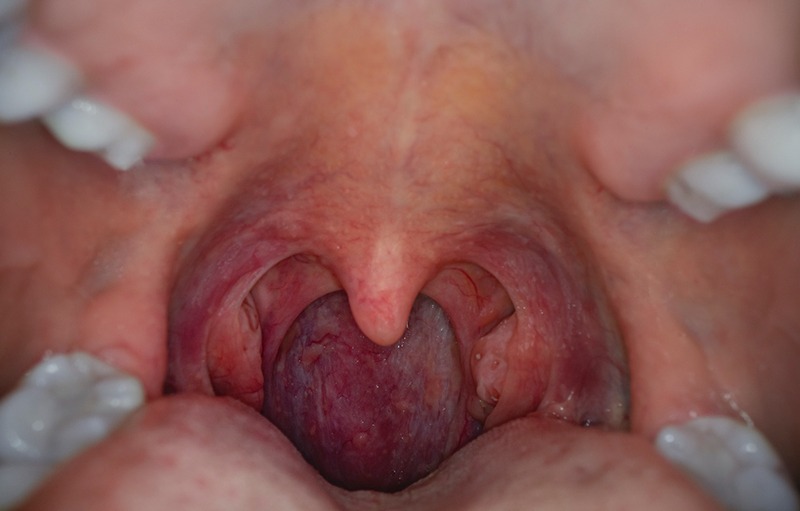
Throat cancer happens when cells in parts of the throat or larynx grow out of control and form a tumor. Different parts of the throat give rise to slightly different cancers with different symptoms and treatment approaches — for example, cancer of the vocal cords (glottis) often causes hoarseness early, while cancers deeper in the throat may present later with swallowing problems or a lump in the neck.
Common symptoms to watch for
Early detection improves outcomes. See a doctor if you have any of these persistent symptoms for more than two weeks:
- Hoarseness or voice changes that don’t improve.
- Persistent sore throat or feeling that something is stuck in your throat.
- Difficulty swallowing (dysphagia) or pain when swallowing.
- A lump or swelling in the neck.
- Ear pain without ear infection.
- Unexplained weight loss, persistent cough, or breathing difficulties.
Causes and risk factors
No single cause guarantees cancer — rather, several known risk factors increase the chance that throat cells will become cancerous:
- Tobacco use (smoking and smokeless tobacco) — one of the strongest risk factors.
- Heavy alcohol use, particularly in combination with tobacco.
- Human papillomavirus (HPV) infection, especially for oropharyngeal cancers (tonsils, base of tongue). HPV-related throat cancers have become more common in many countries.
- Occupational exposures (certain dusts or chemicals), poor nutrition, older age, and some genetic predispositions.
- Reducing exposure to tobacco and limiting alcohol are the most powerful prevention steps.
How throat cancer is diagnosed
Diagnosis usually follows these steps:
- Medical history and physical exam with attention to the mouth, throat and neck.
- Narrowing tests — laryngoscopy or endoscopy to view the throat directly.
- Imaging — CT, MRI or PET scans to see tumor size and spread.
- Biopsy — removing tissue for pathological examination is required to confirm cancer and its precise type.
- Staging (how far it has spread) is determined from exam, imaging and pathology and guides treatment planning.
Treatment options (personalized plan)
Treatment depends on the exact site, stage, overall health and patient priorities (voice preservation, swallowing). Typical approaches include:
- Surgery — to remove the tumor; options range from minimally invasive transoral surgery to more extensive resections with reconstruction.
- Radiation therapy — often used alone for early cancers or combined with surgery/chemotherapy for more advanced disease.
- Chemotherapy — used in combination with radiation for advanced disease or before/after surgery in selected cases.
- Targeted therapy and immunotherapy — newer medicines may be used for specific tumor profiles or recurrent/metastatic disease.
- Rehabilitation (speech/swallow therapy) — crucial for preserving or restoring function after treatment.
- Multidisciplinary teams (ENT/head-and-neck surgeons, radiation and medical oncologists, speech therapists, dietitians) typically manage care.
Prevention — practical steps
- Avoid all tobacco (smoking, vaping, chewing).
- Limit alcohol consumption.
- HPV vaccination for preteens and catch-up vaccination up to recommended ages can lower the risk of HPV-related oropharyngeal cancers. Safe sex practices reduce HPV transmission.
- Good oral hygiene and regular dental/medical checkups; report persistent throat symptoms early.
- Workplace safety: use protective measures if exposed to hazardous dusts/chemicals.
Living with and after treatment
- Follow-up care is important: regular checks to watch for recurrence, manage side effects, and rehabilitate speech/swallowing.
- Nutrition: swallowing changes may require texture modification or feeding support; dietitians are invaluable.
- Emotional and practical support: cancer can affect speech, appearance and social life — counseling, support groups, and speech therapy help.
- Survivorship planning: healthy lifestyle, quitting smoking, moderating alcohol, and vaccinating household contacts (where appropriate) are part of long-term care.